




Oil changes are one of the most crucial aspects of vehicle maintenance, ensuring your car or truck runs smoothly and lasts for years. At Grand Rapids Chevrolet GMC in Grand Rapids, MN, we understand how vital it is to keep up with oil changes to preserve the health of your engine. In this blog, we’ll cover everything you need to know about oil changes, from why they’re necessary to when to get one and the benefits of staying on top of this routine service.
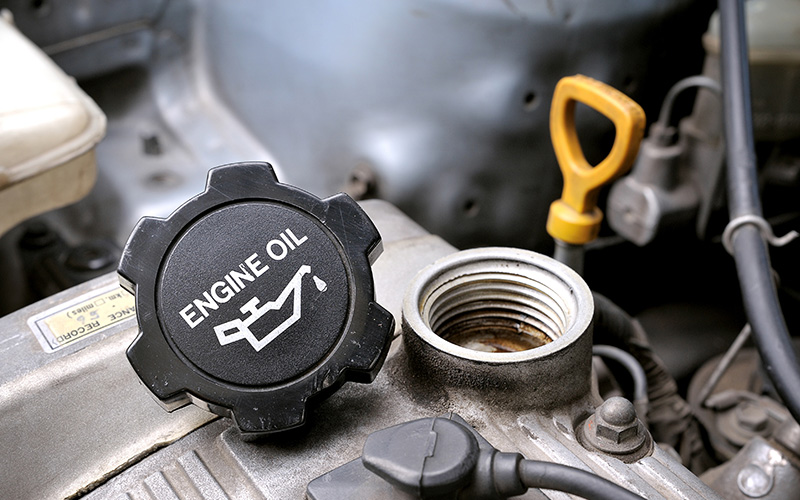
Why Are Oil Changes So Important?
Motor oil plays a critical role in the performance of your vehicle’s engine. It serves several key functions, including:
- Lubricating Engine Components: Oil reduces friction between moving parts, preventing wear and tear on the engine. Without proper lubrication, metal parts in the engine would rub against each other, causing damage that could lead to costly repairs.
- Cooling the Engine: As your engine runs, it generates heat. Oil helps carry heat away from critical engine components, preventing overheating that could result in engine failure.
- Cleaning the Engine: Over time, dirt and debris accumulate in the engine. Oil helps to clean the engine by trapping these particles and carrying them to the oil filter, where they’re removed from the system.
- Sealing and Protecting: Oil also forms a seal between the pistons, rings, and cylinder walls, helping to maintain compression and prevent leaks.
Regular oil changes ensure that your engine remains properly lubricated, cooled, and cleaned, which helps extend its lifespan and maintain optimal performance.
How Often Should You Change Your Oil?
The frequency of oil changes depends on several factors, including the make and model of your vehicle, the type of oil used, and your driving habits. However, the general guideline is:
- Conventional Oil: If your vehicle uses conventional motor oil, it’s typically recommended to change the oil every 3,000 to 5,000 miles or every three to six months, whichever comes first.
- Synthetic Oil: Synthetic oils tend to last longer than conventional oils and can be replaced every 7,500 to 10,000 miles. Some newer vehicles with synthetic oil can even go as long as 15,000 miles between oil changes.
It’s essential to follow the specific recommendations outlined in your vehicle’s owner’s manual, as manufacturers may suggest different intervals based on the engine’s needs. Additionally, if you frequently drive in severe conditions—such as stop-and-go traffic, extreme temperatures, or towing heavy loads—your oil may need to be changed more often.
Signs That Your Vehicle Needs an Oil Change
While the mileage is a good general indicator, there are other signs that may indicate it’s time for an oil change. These include:
- Dark or Dirty Oil: Fresh oil is typically golden or amber in color. If you notice the oil has turned dark brown or black, it could be time for a change. Dark oil indicates that it has absorbed dirt and debris from the engine.
- Unusual Engine Noise: If your engine starts making knocking or ticking sounds, it may be a sign that the oil is no longer providing sufficient lubrication. Low or dirty oil can cause friction between engine parts, leading to abnormal sounds.
- Oil Smell: If you smell oil inside your vehicle, it could be leaking or burning. Even a small leak can lead to a low oil level, which means your engine isn’t being properly lubricated.
- Check Engine Light: Some vehicles have sensors that monitor oil levels and quality. If the check engine light comes on and you suspect it’s due to the oil, schedule an oil change right away.
- Exhaust Smoke: If you notice blue or gray smoke coming from your exhaust pipe, it may indicate that oil is burning in the engine. This could be a sign of an oil leak or other engine issues that require attention.
What Happens If You Don’t Change Your Oil?
Neglecting regular oil changes can have serious consequences for your vehicle. Over time, oil loses its effectiveness in lubricating the engine and can even become thick and sludgy. Without proper lubrication, the engine components begin to rub against each other, which can cause excessive wear, overheating, and, eventually, engine failure.
If you continue to drive without changing the oil, you may also risk clogged oil passages and a damaged oil pump, which can lead to more extensive and costly repairs. In severe cases, failing to change the oil may result in a complete engine breakdown, forcing you to replace the engine altogether.
Choosing the Right Oil for Your Vehicle
When it comes to selecting the right oil for your car, it’s important to follow your manufacturer’s specifications. There are two primary types of motor oil: conventional and synthetic.
- Conventional Oil: This is the most commonly used oil and works well for standard driving conditions. It’s typically the most affordable option but needs to be changed more frequently than synthetic oil.
- Synthetic Oil: Synthetic oils are engineered to provide superior performance, offering better protection for the engine at higher temperatures and improving fuel efficiency. While they are more expensive, they last longer and are often recommended for newer engines or high-performance vehicles.
- Blended Oils: A combination of conventional and synthetic oils, blended oils offer a balance of performance and price. These oils can be a good choice if you’re looking for something in between conventional and fully synthetic oils.
Choosing the right oil for your vehicle ensures that your engine is protected and runs efficiently, which can help prolong its lifespan.
The Oil Change Process
Getting an oil change is a straightforward process, but it requires the expertise of a trained technician to do it correctly. Here’s what typically happens during an oil change:
- Draining the Old Oil: The technician will remove the drain plug and allow the old oil to drain completely. This ensures that any contaminants or debris are removed from the engine.
- Replacing the Oil Filter: The oil filter is responsible for trapping dirt and debris. During an oil change, the filter is replaced to ensure the new oil stays clean.
- Adding Fresh Oil: Once the old oil is drained and the filter is replaced, fresh oil is added to the engine, meeting the correct specifications for your vehicle.
- Checking Other Fluids: Many service centers will also check other essential fluids, such as transmission fluid, brake fluid, and coolant, as part of the oil change service.
- Inspecting the Vehicle: In some cases, the technician may perform a basic inspection of the vehicle, checking for leaks, tire pressure, and overall vehicle health.
Benefits of Regular Oil Changes
Staying on top of your oil changes has many advantages for both your vehicle and your wallet. Some of the key benefits include:
- Improved Engine Performance: Regular oil changes ensure that the engine remains properly lubricated, which can enhance overall performance and prevent potential issues from arising.
- Better Fuel Efficiency: Clean oil helps the engine run more efficiently, which can lead to better fuel economy. This means fewer trips to the pump and more savings over time.
- Extended Engine Life: By keeping the engine properly lubricated, you’re protecting the engine from unnecessary wear, helping it to last longer and operate smoothly for years to come.
- Reduced Repair Costs: Regular oil changes prevent engine components from deteriorating prematurely, saving you money on costly repairs and replacements.
At Grand Rapids Chevrolet in Grand Rapids, MN, we’re committed to keeping your vehicle running at its best. Our expert technicians are here to help with all your oil change needs, providing quick, professional service that ensures your engine stays healthy for the long haul. If it’s time for an oil change, visit us today and let our team help you keep your vehicle in top condition.
Connect with us


- 2025 sierra
- 2025 silverado
- 2026 silverado
- chevrolet silverado 1500
- chevrolet suv
- chevrolet trucks
- gmc sierra
- gmc trucks
- gmc yukon
- GRAND RAPIDS Chevrolet Dealer
- Grand Rapids Chevrolet GMC Service
- GRAND RAPIDS Chevrolet Service
- grand rapids gmc dealer
- grand rapids oil change
- grand rapids suv
- GRAND RAPIDS Used Cars
- silverado 1500
- Uncategorized